support@dragon-dealz.com
 +1 (888) 303-8337









Introduction — Beyond Rankings: The Power of Brand Perception on Amazon
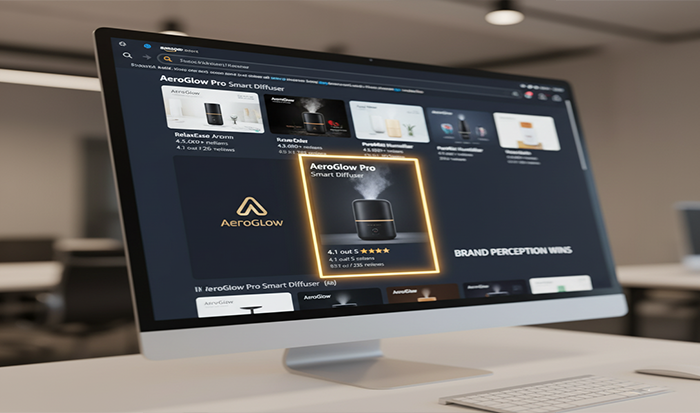
There was a time when top-of-page rank guaranteed sales. Not anymore. Shoppers scroll past “#1 Best Seller” badges if the story, visuals, and reviews don’t feel right. That’s the quiet revolution: your Brand Perception now determines whether visibility turns into trust.
Here’s the shift I see daily. Strong ads drive the click, strong Amazon Brand Perception closes the sale and earns the second one. Reputation is the multiplier—when customers believe your brand delivers, they forgive small hiccups, leave thoughtful reviews, and recommend you to friends. Ranking helps you meet new people; reputation keeps them around.
The modern consumer mindset? “I’ll pay for the brand that respects my time and keeps its promises.” Reputation beats visibility because it turns strangers into loyalists.
What Is Brand Perception?
If you’re wondering, what is Brand Perception? It’s the composite impression customers hold about your brand—the sum of every touchpoint, from your thumbnail and title to how you handle a damaged delivery. It’s emotional first, rational second.
People don’t remember every bullet point, they remember how the brand made them feel—reassured, informed, understood. That’s why a single empathetic response to a review can outweigh ten lines of features. The heartbeat of perception is consistency.
To track it, use core Brand Perception Metrics:
- Reputation score: sentiment across reviews, Q&A, and social mentions.
- Star rating and rating velocity: not just the average, but how fast sentiment shifts.
- Return rate and reason codes: the silent feedback loop.
- Share of positive mentions vs. negative themes by attribute (quality, value, durability).
- Branded search lift: more people seeking your name equals rising trust.
Understanding Amazon Brand Perception and Its Impact on Sales
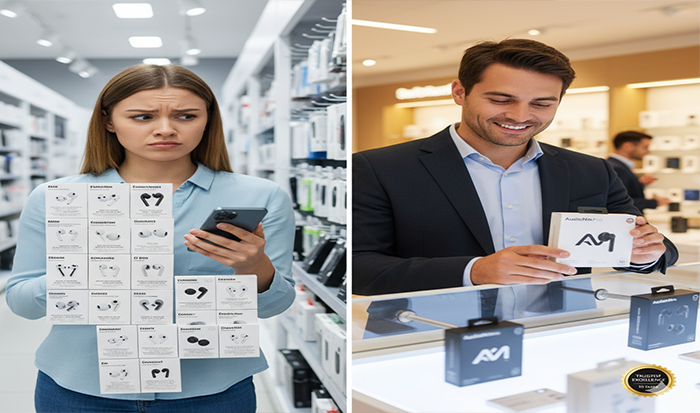
For sellers, Amazon Brand Perception is the difference between “add to cart” and “back button.” It lives in the micro-moments: does your title feel honest? Do images show true scale? Are reviews consistent with the promise?
Here’s the kicker—Amazon Brand Perception Customer Thoughts carry algorithmic weight. When buyers repeatedly say “exactly as described,” conversion improves, return rates drop, and your ASIN’s behavioral metrics strengthen. That feedback loop lifts rankings without an ad dollar wasted.
The ripple effect looks like this credible listings lead to higher conversion, which signals relevance, which sustains rank, which lowers CAC, which funds better packaging and service—fueling even stronger reputation. Momentum follows trust.
The Psychology Behind Customer Trust and Brand Perception
First impressions aren’t just aesthetic, they’re neural shortcuts. Your hero image sets expectations. If your packaging arrives nothing like those photos, trust cracks. And once broken, it takes five positive experiences to repair.
Transparency is the simplest competitive advantage. In practice, transparency means showing the seam, not the gloss—true scale shots, unedited textures, clear materials. That honesty shapes Brand Perception more than any clever tagline.
Listen closely to Amazon Brand Perception Customer Thoughts. When shoppers echo the same praise (“easy to assemble,” “accurate color,” “responsive support”), that’s your brand promise taking root. When they repeat the same complaint, that’s your roadmap. Either way, their words are your market research—free and brutally honest.
Measuring Brand Perception Effectively

Conducting Brand Perception Studies
A focused Brand Perception Study reveals what spreadsheets can’t how your brand feels to buyers in their language. Blend short post-purchase surveys with qualitative interviews. Ask what nearly stopped them from buying, what pleasantly surprised them, and what they’d tell a friend about your product.
Pair that with Brand Perception Measurement using sentiment analysis across reviews and Q&A. Don’t just tally stars—code the themes. If “packaging damage” spikes in winter, that’s an operations fix disguised as a marketing problem.
Tracking Key Brand Perception Metrics
Your dashboard should track the heartbeat, not vanity stats. The essential Brand Perception Metrics:
- Net sentiment trend (rolling 30/90 days)
- First 10 reviews after a launch (they set the narrative)
- Return reasons by ASIN and season
- Branded search growth after campaigns
- Time-to-response and resolution quality in review replies
Monitor these over time. The story is in the slope, not the snapshot.
Analyzing Customer Reviews and Feedback
Reviews are your unfiltered brand diary. Read them weekly. Extract recurring words tied to benefits and frustrations. If “instructions” appears often, improve your insert or add a setup video to your A+.
These insights shape Amazon Brand Perception more than any slogan. When customers feel heard, their next review tends to be kinder—even when things go wrong.
Strategies to Improve Brand Perception on Amazon
Build Trust Through Authentic Branding
Authenticity isn’t a mood board—it’s operational. Use the same tone across title, bullets, A+, packaging, and emails. If your brand voice is calm and confident on the PDP, don’t switch to hype on social. Consistency is how buyers recognize you after one glance, and it’s the backbone of Amazon Brand Perception.
Leverage Customer Feedback Positively
Reply to critical reviews like a human, not a script. Acknowledge the issue. Offer a fix. When future shoppers see empathy and solutions, they trust you with their money. Over time, those responses influence Brand Perception Metrics more than any coupon ever could.
Offer Quality and Consistency
No messaging can save a product that fails on the kitchen counter. Audit your top three return reasons and address them in manufacturing or packaging. Delivering the same great experience every time turns first-time buyers into your marketing team.
Showcase Social Proof and Real Experiences
Use verified reviews with specifics—“survived a cross-country move,” “still sharp after six months,” “color matches the listing photos.” Specificity is credibility. Social proof works when it’s ordinary, not staged.
Use Storytelling to Create Emotional Connections
Tell customers why this product exists and who it’s designed for. Maybe your coffee grinder was built for 5 a.m. quiet—parents will nod. Narrative is how buyers remember you and justify choosing you over cheaper options.
How Dragon Dealz Helps You Shape a Strong Amazon Brand Perception

Dragon Dealz helps brands engineer trust on purpose. We map your Amazon Brand Perception across listings, reviews, and social chatter, then align your messaging with the experience you actually deliver. No theater—just clarity that converts.
Our approach to Brand Perception Measurement blends data and empathy:
- Sentiment analysis tied to product attributes (comfort, fit, durability)
- Review velocity and first-90-day narrative guardrails
- A/B-tested imagery that mirrors real-life use, not studio fiction
- Packaging and insert recommendations to preempt top return reasons
We’ve seen top sellers stabilize rankings by fixing perception first: addressing review themes, refreshing visuals, clarifying benefits, and training support to respond with warmth. When the story and the experience match, Brand Perception Metrics climb—and sales follow.
Common Mistakes Sellers Make That Hurt Brand Perception
- Ignoring inconvenient feedback: If multiple buyers say “smaller than expected,” update images with a hand-for-scale shot. It’s a perception fix disguised as a photo.
- Overpromising in the title: It might lift clicks, but it sinks Brand Perception when the product can’t deliver.
- Treating reviews like a scoreboard, not a conversation: Your voice in the comments shapes Amazon Brand Perception Customer Thoughts for future shoppers.
- Chasing rank over experience: You can buy traffic, but you can’t buy trust. Invest where perception is made—packaging, instructions, support.
Conclusion — Your Reputation Is Your Strongest Ranking Signal

If rankings are a spotlight, reputation is what people see once you’re lit. Strong Brand Perception doesn’t just win clicks; it wins the second purchase, the recommendation, and the benefit of the doubt. On Amazon, that’s your moat.
Prioritize the moments that form Amazon Brand Perception—truthful visuals, specific claims, empathetic service, and consistent quality. When trust leads, the algorithm follows.
Partner with Dragon Dealz to strengthen your Amazon Brand Perception and build credibility that compounds—month after month.
FAQs
Brand Perception
It’s the collective impression customers hold about your brand based on every interaction. It matters because buyers choose the brand they trust, not just the one they see first. Trust drives conversion, reviews, and repeat purchases.
Combine qualitative and quantitative approaches: sentiment-coded reviews, return reasons, first-90-day review analysis, branded search growth, and time-to-resolution in support. Track these as living signals, not one-off snapshots.
Imagery that reflects reality, clear and specific copy, consistent packaging, timely and human responses to reviews, and the product actually doing what it says. These shape Amazon Brand Perception Customer Thoughts every day.
Better sentiment and reduced returns boost conversion. Higher conversion improves behavioral signals, which support stable rankings. That lowers acquisition costs and funds better experiences—creating a positive loop.
We audit perception drivers, align messaging with product reality, implement Brand Perception Measurement, refresh visuals and copy, and design support scripts that build trust. The result is stronger sentiment, steadier rank, and healthier unit economics.